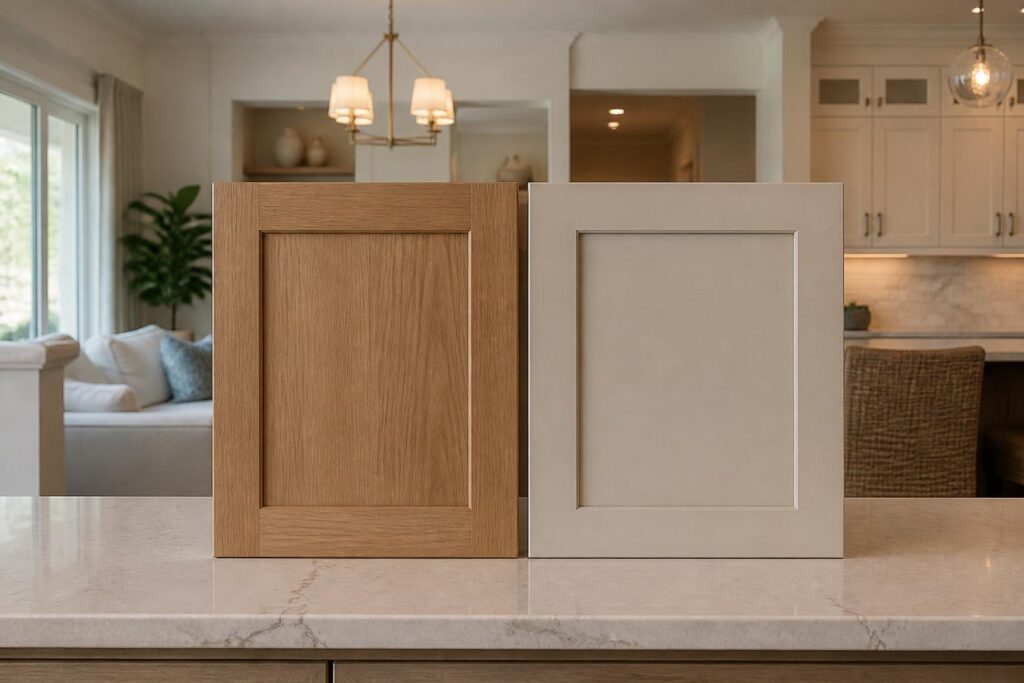

If you’re weighing DIY cabinet refacing, you’re probably asking a fair question: can I do this myself and keep the savings? Plenty of handy homeowners can, and the project is more approachable than building new cabinets. It’s also more exacting than the videos suggest. Here’s an honest look at what the work involves, where it tends to go wrong and how to decide which route fits your kitchen.
What DIY Cabinet Refacing Actually Involves
Refacing keeps the existing cabinet boxes and changes what you see: the doors, the drawer fronts and the visible surfaces of the boxes. A DIY version usually breaks into five jobs, and each one has its own learning curve.
- Measuring and ordering. Every door and drawer front needs accurate dimensions, and the overlay (how far a door covers the frame) has to be right.
- Removing the old fronts. Doors, drawer fronts, hinges and hardware come off, and the holes they leave need to be handled.
- Covering the boxes. Face frames and exposed end panels get a new surface so they match the new doors.
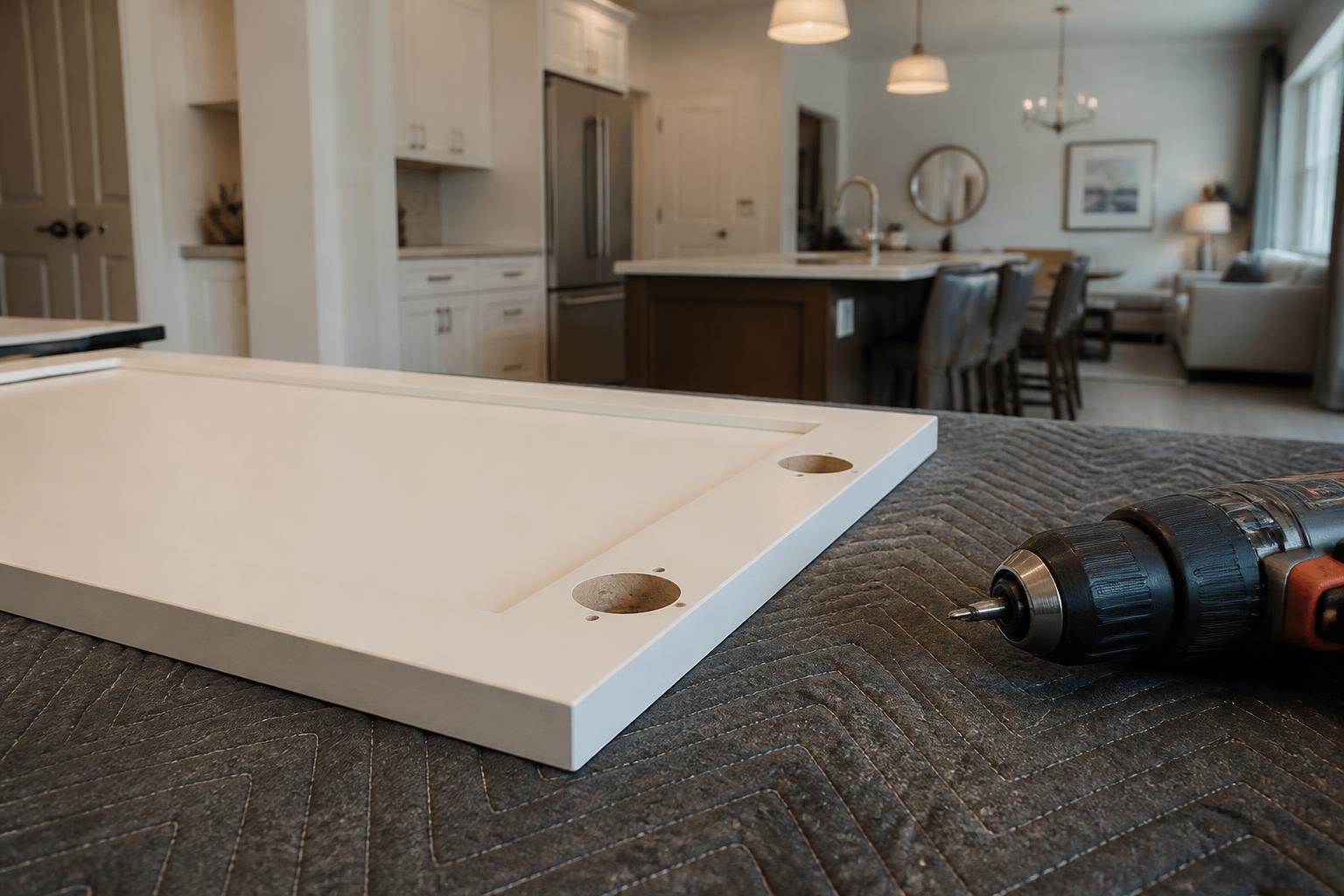
- Fitting hinges and fronts. New doors need hinge cups bored or hinge plates positioned, then the doors are hung and adjusted.
- Finishing touches. Hardware, bumpers and any filler or trim pieces round out the job.
None of this is exotic work, but it does require patience, because errors compound. A door ordered a quarter inch too small stays a quarter inch too small.
Tools and Skills You’ll Need
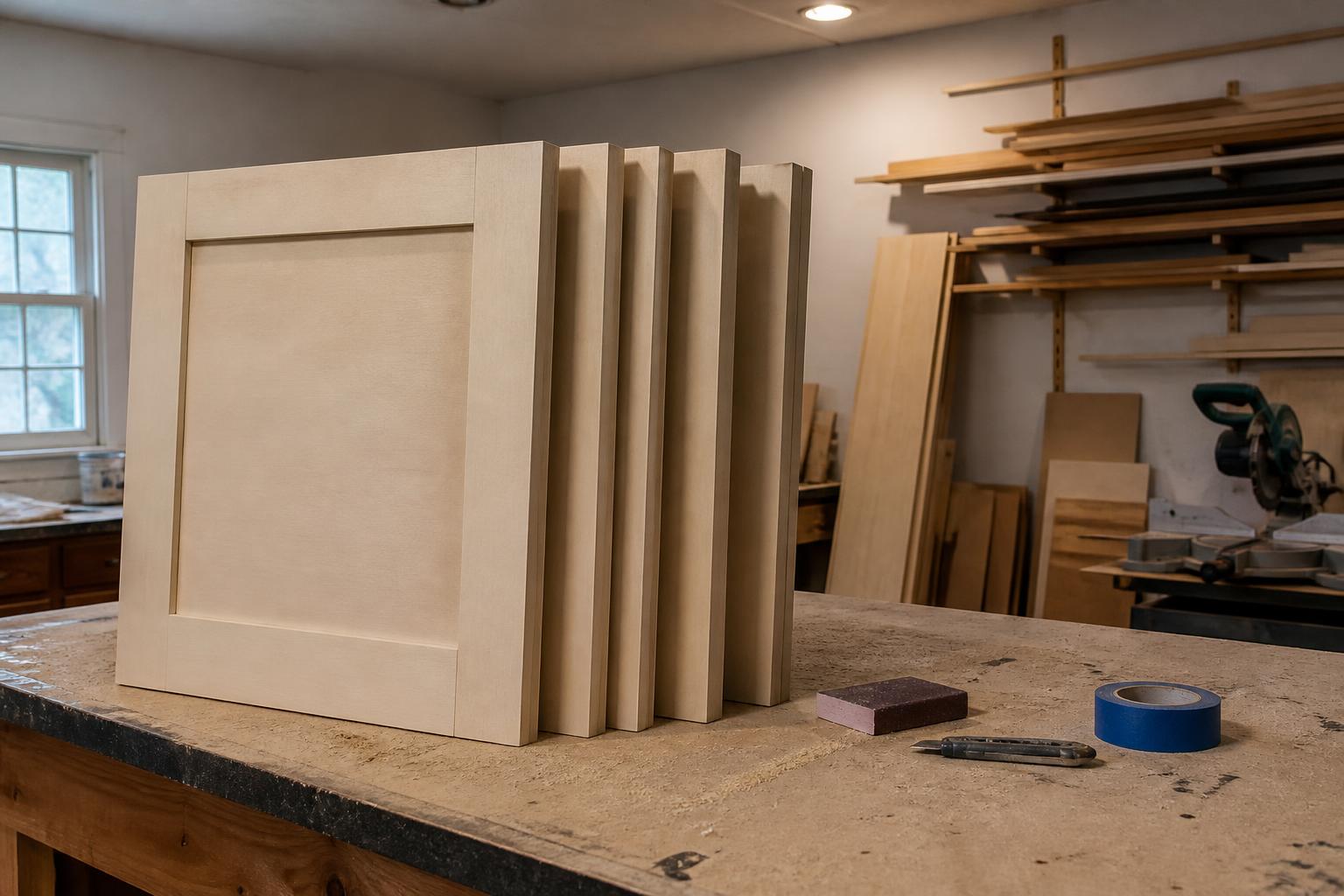
A DIY refacing project goes smoother with the right gear. At minimum, expect to use a good tape measure, a level, a drill and a drill guide, clamps, a utility knife with fresh blades, a roller for applying a surface covering and a way to cut it cleanly. Hinge boring is the step where a proper guide earns its keep, since a drill bit that wanders by a hair throws off the whole door.
Skills matter as much as tools. You’ll want a steady hand for trimming, comfort working at small tolerances and the willingness to measure twice, then check again against the cabinet in front of you. If you’ve built furniture or done careful trim work before, you have a head start.
Where DIY Cabinet Refacing Projects Go Wrong
Most problems fall into a few predictable categories. Knowing them in advance helps you plan around them.
Peeling or lifting edges
Face frames take a beating from steam, grease and daily handling. If the surface wasn’t cleaned, degreased and fully pressed down, edges can lift over time. In Southwest Florida, humidity and salt air near the coast add stress to adhesives, so prep matters even more here. Corners and the edges around the sink and range are the usual trouble spots.
Doors that don’t line up
Misaligned doors are the most visible flaw in a refacing job. They usually trace back to hinge boring that’s slightly off, boxes that aren’t perfectly square or a hinge adjustment that was rushed. Older homes, including many 1980s through 2000s kitchens in our area, often have cabinet boxes that have shifted a little over the years, so you can’t assume everything is level and plumb.
Uneven reveals
The reveal is the narrow gap between doors and drawer fronts. When it varies from one door to the next, the eye catches it right away, even if you can’t say why the kitchen looks off. Consistent reveals depend on accurate measuring up front and careful adjustment at the end, and they’re one of the hardest things to correct after the fact.
Mismatched sheen and color
Doors and the covering on the boxes need to read as one finish. If they come from different sources or batches, small differences in tone and gloss show up under kitchen lighting.
How Long a DIY Project Takes
It depends on the size of the kitchen and how much time you can give it. Most first-timers should expect it to take considerably longer than a professional crew would. Evenings and weekends add up: measuring and ordering come first, then a waiting period for doors to arrive, then the hands-on work of covering boxes and hanging fronts. A kitchen with many drawers and upper cabinets means many small decisions to repeat.
For comparison, our own refacing installs usually take about three days, depending on scope, once selections are final and materials are on hand. Your kitchen is also out of order the whole time you work on it yourself, which is worth thinking about if you cook at home every day or you’re hosting family during the season.
When DIY Cabinet Refacing Makes Sense
We don’t think DIY is a bad idea. It can be a good fit when:
- You enjoy detailed hands-on work and have the time to do it properly.
- The kitchen is small, or you’re starting with a laundry room, a bathroom vanity or a garage storage run as a practice project.
- Your cabinet boxes are solid, square and in good condition.
- You’re comfortable with a result that’s good but not flawless, and you don’t mind redoing a door if needed.
- The cabinets are in a secondary space where small imperfections matter less.
Some homeowners also split the work, handling demolition and hardware removal themselves and leaving the exacting steps to someone else. That’s a reasonable middle path, as long as you agree on who does what before work begins.
When a Professional Install Is Worth It
A professional refacing job tends to pay off when precision and time matter most. That’s often the case if you have a large kitchen with many doors, if you want soft-close hardware fitted consistently or if you’re planning changes beyond the surface. Functional upgrades such as converting a base cabinet from doors to a bank of drawers, or adding pull-out shelves, change the cabinet box itself, and they’re much harder to get right as a first project.
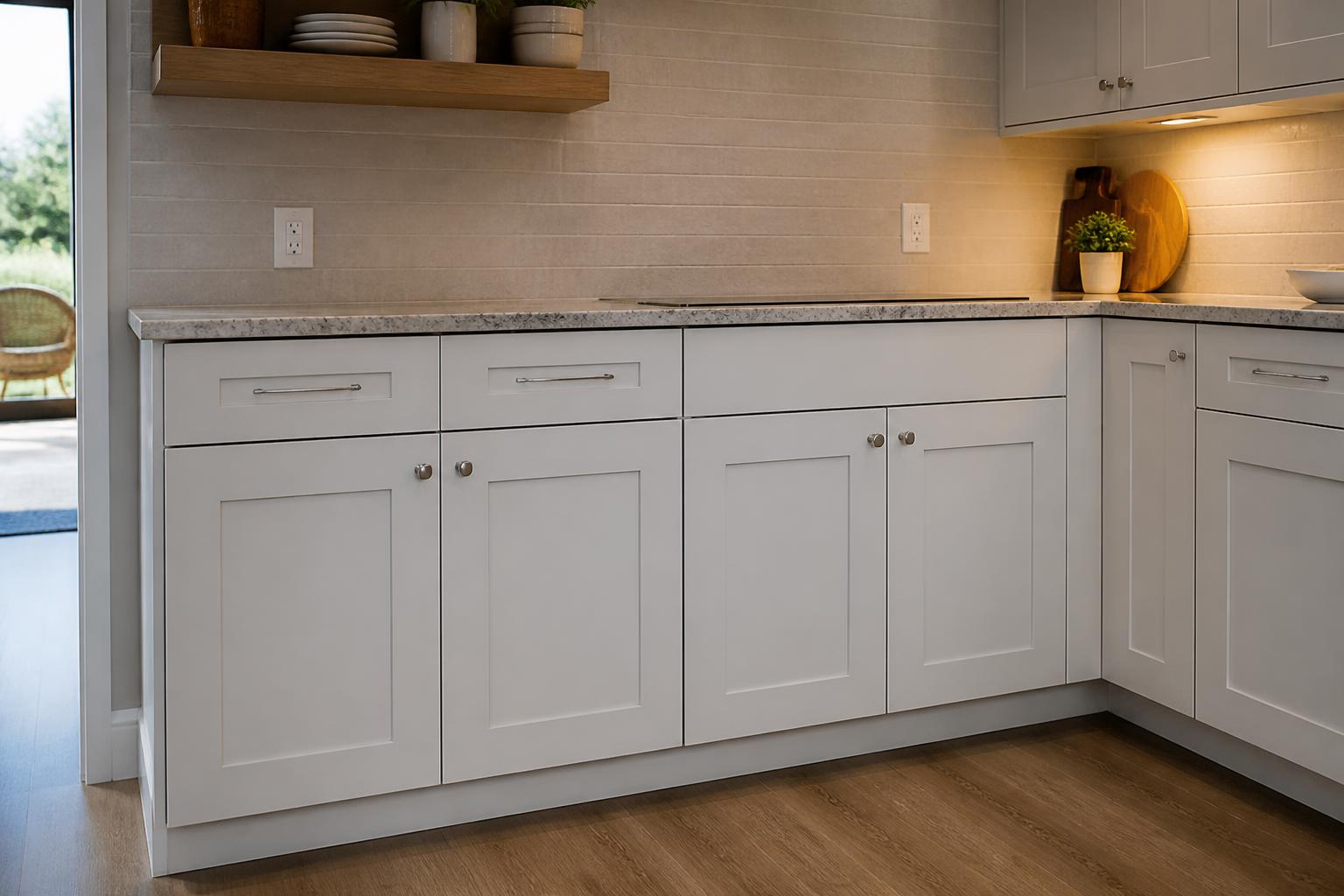
It’s also worth getting an expert opinion before you commit, because the real question isn’t always how to reface. Sometimes the boxes have water damage, swollen bottoms or a layout that doesn’t work, and covering those problems only delays the bigger fix. When we visit a home, we check the frames, shelves and door attachment points first and tell you honestly whether cabinet refacing suits what you have. If new cabinets would serve you better, we say that too. Refacing usually costs less than full replacement, though what you’ll spend depends on your kitchen’s size, door style and scope.
Walter Martinez has owned and operated Balance Construction since 2005, and you can read more about our company and how we work before you decide.
A Few Honest Checks Before You Start
A few practical checks can settle the decision. Do you have a clear weekend-by-weekend plan? Can you live without a working kitchen for the duration? Have you inspected every cabinet box for soft spots, loose frames or sagging shelves? And are you prepared to accept the result if one or two doors are slightly off? If you answered yes to all of them, a DIY project can be rewarding. For general kitchen planning guidance, such as clearances and work-area layout, the National Kitchen & Bath Association publishes resources worth reading before you begin.
Frequently asked questions about DIY cabinet refacing
Can a beginner reface kitchen cabinets?
Yes, a patient beginner can, especially on a small project. The steps that tend to challenge first-timers are accurate measuring, boring hinge holes cleanly and keeping reveals even. Starting with a vanity or a single cabinet run lets you build skill before you tackle the whole kitchen.
What is the hardest part of refacing cabinets yourself?
Most people find alignment the hardest part. Doors have to sit square, drawer fronts have to match their neighbors and the gaps between them have to look consistent. Small measuring or drilling errors become visible once everything is hung.
Will DIY refacing hold up in a humid Florida kitchen?
It can, but preparation matters. Surfaces need to be clean and free of grease, and coverings need to be pressed down firmly, particularly at edges and corners near the sink, dishwasher and range. Humidity and salt air can loosen poorly prepared edges over time.
Is refacing always better than replacing cabinets?
No. Refacing works well when the existing boxes are sound and you like the layout. If the boxes are damaged, or the layout doesn’t suit how you use the kitchen, replacement or a redesign may be the better choice. It depends on the condition of your cabinet boxes.
Whether you’re leaning toward doing it yourself or you’d like a second opinion first, we’re glad to look at your cabinets with you. Call (239) 989-1045 or request a free consultation and we’ll visit your home in Cape Coral, Fort Myers, Port Charlotte or Punta Gorda to talk through your options.